Introduction
Have you ever dreamed of watching the sun set over endless sand dunes, riding camels into the Sahara, or sleeping under a blanket of stars so bright it feels like you could touch them? Welcome to Zagora, Morocco – where the desert doesn't just begin, it beckons!
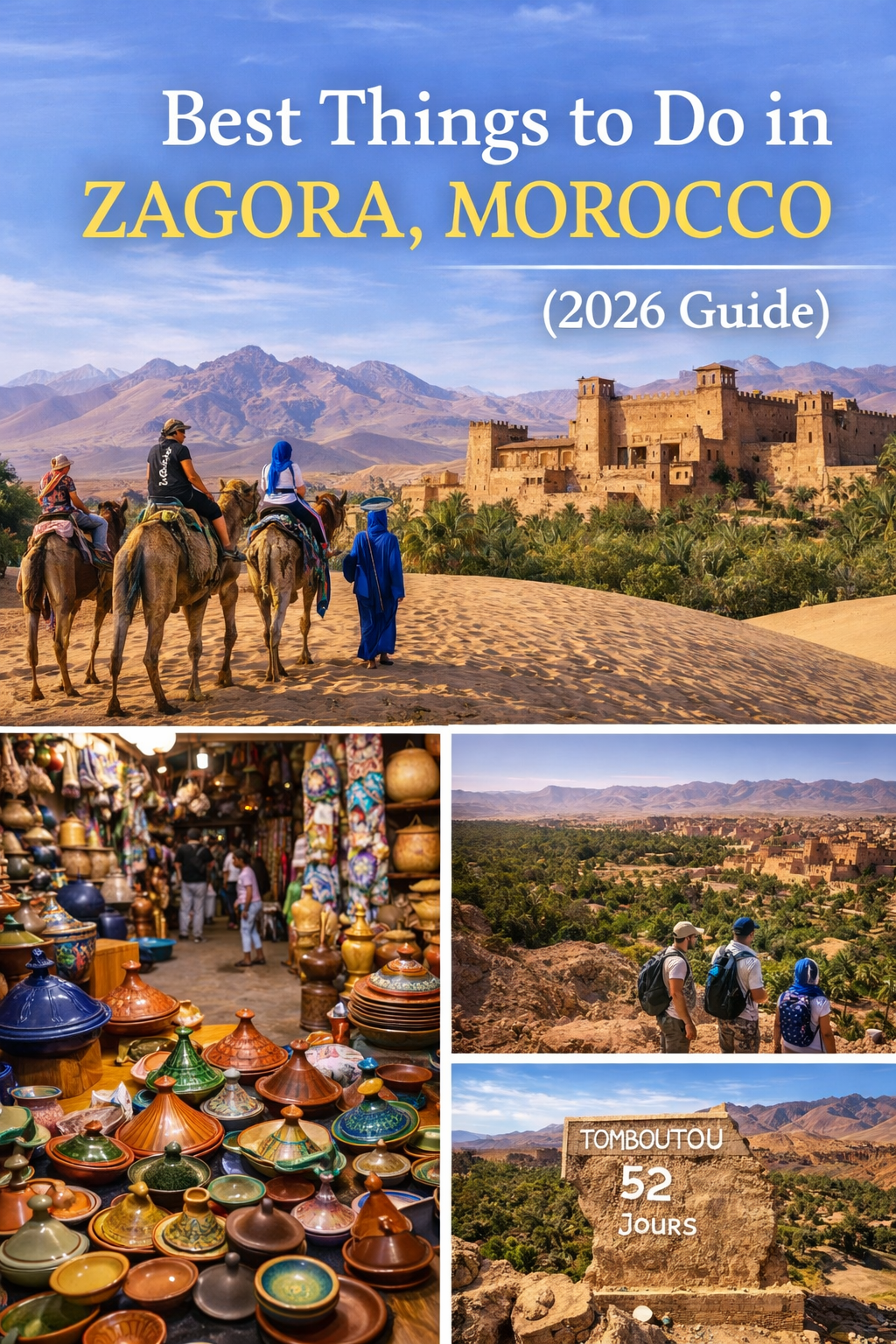
This ancient caravan town in southern Morocco, perched on the edge of the Sahara Desert, has captivated travelers for centuries with its famous sign reading "Timbuktu 52 days" – a reminder of its storied past as a crucial stop on trans-Saharan trade routes. Located in the Draa-Tafilalet region, approximately 160 kilometers from Ouarzarzate, Zagora stands as one of Morocco's most enchanting desert destinations, offering an authentic slice of Saharan life without the tourist crowds you'll find in more popular spots nearby. I've spent countless hours exploring this magical corner of the Draa Valley, and I can tell you – there's something truly transformative about the silence of the desert and the warmth of Berber hospitality. Whether you're seeking adventure, cultural immersion, or simply an escape from the ordinary, this community nestled between palm groves and desert landscapes delivers experiences that'll stay with you long after the desert sand has left your shoes!
Experience the Magic of the Sahara Desert
The Sahara Desert is undoubtedly the crown jewel of any visit to Zagora, and experiencing it firsthand is absolutely essential to understanding the area's natural beauty and wilderness. When you're here, you're standing at the gateway to one of the world's most magnificent natural wonders, and trust me – you'll want to dive right in!
Camel trekking is the quintessential desert experience, and for good reason. There's something incredibly peaceful about swaying gently on camelback as you traverse the golden dunes toward Erg Chigaga, one of Morocco's most pristine sand formations. Multi-day expeditions allow you to venture deep into the authentic desert landscapes, following ancient routes that caravans have traveled for centuries. Your local guide will share stories about the terrain, point out desert wildlife, and help you navigate using GPS coordinates to reach the most spectacular spots.
When night falls in the Sahara, magic happens. Overnight camping in traditional Berber tents offers complete immersion into desert life. Picture this: you're sitting around a crackling fire, sipping sweet mint tea, while your hosts play traditional drums under a canopy of stars so dense it looks like someone spilled glitter across the sky. The camps provide comfortable sleeping arrangements while maintaining that authentic wilderness feel. Most venues are located in remote areas accessible via off-road driving, ensuring you experience true desert solitude.
The sunrise and sunset viewings in the desert will literally take your breath away. I recommend waking up early (yes, it's worth it!) to watch the first rays of light paint the dunes in shades of pink, orange, and gold. The dramatic color transformations happen quickly, so have your camera ready! At twilight, the surrounding terrain takes on an otherworldly quality that photographers dream about.
For those seeking more adrenaline, 4x4 desert safaris let you cover more ground and explore hidden oases that would take days to reach on camelback. Experienced local guides know the routes intimately and can take you to remote areas where you might spot desert wildlife or discover ancient fossils. The ride itself is thrilling – bouncing over dunes and navigating rocky passages with stunning elevation changes.
Sandboarding adds a playful element to your desert adventure! Imagine surfing down towering sand dunes, the wind in your hair, sand spraying around you. It's recreational activity at its finest and surprisingly easy to learn. Many camps and tour operators provide boards, making this adrenaline rush accessible to everyone.
Don't forget that the photography opportunities here are absolutely endless. Whether you're capturing the rippling patterns in the sand, the silhouette of a camel caravan against the setting sun, or the Milky Way stretching across the night sky, the Sahara provides a natural studio like nowhere else on Earth.
Explore Historic Kasbahs and Ancient Architecture
Zagora's architectural heritage tells the story of centuries of desert life, trade, and cultural exchange. These earthen fortresses aren't just historical sites – they're living landmarks that continue to shape the community today.
Kasbah Amezrou stands as one of Zagora's most significant points of interest, located just a comfortable walking distance from the city center. This historic Jewish quarter showcases the region's multicultural past, where Jewish and Muslim communities lived and traded together for generations. The traditional earthen fortress features thick mud-brick walls that kept inhabitants cool in summer and warm during chilly desert nights. As you wander through its narrow alleyways, you'll discover hidden courtyards and intricate decorative details that reveal the craftsmanship of another era. Local guides can share fascinating stories about the neighborhood's history and the families who called it home.
Tamnougalt Kasbah is an absolute must-visit for history enthusiasts! Dating back to the 16th century, it's one of Morocco's oldest and best-preserved kasbahs. This landmark historical site sits along the ancient trans-Saharan trade route, and you can almost feel the presence of the countless caravans that stopped here over the centuries. The geographical location offers strategic views of the surrounding valley, which explains why it was such an important defensive position. The architecture demonstrates traditional Saharan building techniques that have survived for hundreds of years, making it a fascinating case study in sustainable desert construction.
Ait Hamou Said Kasbah is another neighborhood gem that showcases the intricate decorative details typical of traditional Saharan architecture. The geometric patterns carved into the mud walls, the wooden doors with their metal studs, and the tower structures reaching toward the sky all tell stories of artistic tradition and practical desert living. It's a wonderful spot for photography, especially in the golden hour when the earthen walls seem to glow.
Throughout these historical sites, you'll find local artisan workshops where craftsmen continue ancient business practices, creating traditional pottery and textiles within the kasbah walls. Watching them work – whether they're shaping clay on a pottery wheel or weaving colorful textiles – connects you to traditions that stretch back generations. Many artisans welcome visitors and are happy to explain their techniques, and you can purchase authentic handmade goods directly from the makers.
Discover the Draa Valley's Natural Beauty
The Draa Valley is a breathtaking geographical wonder that stretches like a green ribbon through the desert landscape. This lush corridor provides a stunning contrast to the arid terrain surrounding it, and exploring it reveals why this region has sustained human life for millennia.
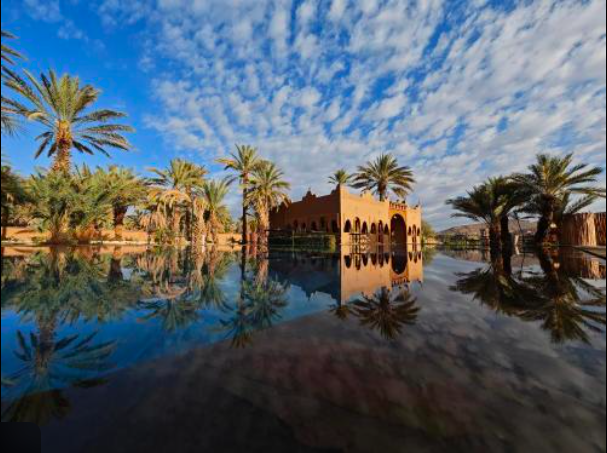
The Draa River palm groves create Morocco's longest palm oasis, spanning over 200 kilometers of verdant natural beauty. Walking or biking through these groves feels like stepping into a different world – suddenly you're surrounded by the rustle of palm fronds, the chirping of birds, and the cool shade after the intense desert sun. The area is rich in natural resources, particularly dates, which have been cultivated here for centuries.
Taking scenic drives along the valley is an experience in itself. The route showcases dramatic landscape changes as you travel from mountainous terrain down to desert floor, with stunning elevation views at every turn. The road winds through traditional villages, past ancient kasbahs, and alongside irrigation channels that have nourished crops for generations. It's one of those drives where you'll want to stop constantly to take photos and soak in the geography.
The date palm plantations are the economic heart of the valley. These working farms produce some of the world's finest Medjool dates, and many welcome visitors for tours. You can walk among the towering palms, learn about cultivation techniques, taste fresh dates straight from the tree, and purchase directly from farmers. It's a sweet experience in every sense!
The Tizi-n-Tinififft Pass viewpoint offers jaw-dropping panoramic views of the entire valley stretched out below you. This elevated vantage point helps you understand the region's geography – how the river carved this fertile corridor through otherwise barren terrain, creating an ecological corridor that sustains both human communities and wildlife. The vista is particularly spectacular in early morning or late afternoon light.
Scattered throughout the valley are charming oasis villages where traditional mud-brick settlements nestle among the greenery. Each suburb and community has its own character, but all share that peaceful atmosphere that comes from living in harmony with the natural environment. Many offer small cafes where you can stop for tea and interact with locals.
For nature enthusiasts, the valley provides excellent bird watching opportunities. The oasis serves as an important stop on migration routes, so you might spot species from Europe, Africa, and Asia depending on the season. The combination of water, vegetation, and surrounding desert creates diverse habitats that support varied wildlife.
The valley also features numerous hiking and biking trails that let you explore at your own pace. These recreational activities range from easy walks through palm groves to more challenging routes into the surrounding hills, all offering different perspectives on this remarkable landscape.
Immerse Yourself in Berber Culture and Traditions
The soul of Zagora lies in its people – the Amazigh (Berber) communities who have called this region home for countless generations. Engaging with local culture transforms your visit from a simple vacation into a meaningful cultural exchange.
Traditional Berber tea ceremonies are about so much more than just drinking tea – they're rituals of hospitality, friendship, and community. When you're invited into local homes throughout the area, you'll witness the careful preparation: the tea is poured from height to create foam, served in small glasses, and typically enjoyed over three rounds (each with its own saying!). These ceremonies provide intimate opportunities to connect with families, ask questions about daily life, and experience the genuine warmth that defines Berber hospitality.
Amazigh music and dance performances bring the culture to vibrant life. At cultural venues and during local events, you can enjoy live drumming, traditional singing, and energetic dances that have been passed down through generations. The rhythms are hypnotic, often building to crescendos that get everyone clapping along. During festivals and concerts, the entire community comes together, creating an atmosphere of celebration that's impossible not to join!
Henna painting experiences connect you to an ancient art form that's both decorative and symbolic. Local artists in the neighborhood create intricate temporary designs on your hands or feet using natural henna paste. Each pattern has meaning, and the artists can explain the symbolism as they work. It's a beautiful souvenir that you'll carry with you for a week or two, and the process itself is wonderfully relaxing.
Berber cooking classes offer hands-on introduction to the region's culinary traditions. You'll learn to prepare iconic dishes like tagine (slow-cooked in the distinctive cone-shaped pot), fluffy couscous, and traditional desert bread baked in sand. Working alongside families in their homes, you'll understand how the climate and available ingredients shaped the cuisine, and you'll pick up techniques you can recreate when you return home. Plus, you get to eat your delicious creations!
Language and customs workshops help you navigate social interactions with greater confidence and respect. Learning basic Tamazight phrases shows appreciation for the local culture – and area residents absolutely light up when visitors make the effort! You'll also learn about cultural etiquette, from appropriate dress for this conservative community to proper ways to greet people and accept hospitality.
Visits to nomadic communities in the surrounding territory provide glimpse into lifestyles that remain largely unchanged by modernity. Some families still practice traditional pastoral practices, moving with their herds between seasonal pastures. These encounters are profound reminders of human adaptability and the deep knowledge required to thrive in challenging environments.
Throughout the year, various local festivals celebrate everything from harvests to religious occasions. Participating in these seasonal celebrations and concerts gives you the community's rhythm and values. The local events calendar includes traditional competitions, music performances, and communal meals that welcome both residents and visitors.
Visit Zagora's Vibrant Markets and Souks
The weekly souks in Zagora pulse with energy, color, and the authentic rhythms of local commerce. These aren't tourist attractions created for visitors – they're genuine farmers markets and trading centers where the community has gathered for generations.
Wednesday and Sunday weekly souks transform the town center into a bustling hub of activity. Farmers from nearby villages arrive early, setting up stalls laden with fresh produce from the valley's rich agricultural areas. Traders display their wares – everything from household goods to livestock – while locals catch up on news and gossip. The atmosphere is electric, especially in the morning when the shopping is most intense. It's a fantastic opportunity to observe authentic daily life and interact with people from throughout the surrounding region.
The handwoven carpet shopping scene here is exceptional because you're buying directly from area business owners and sometimes from the weavers themselves. Genuine Berber rugs and kilims in traditional patterns are spread out for inspection. Each piece tells a story through its colors and symbols, and sellers can explain the meanings and the tribe or region that produced each style. Bargaining is expected and part of the fun – just remember to be respectful and good-humored about it!
Silver jewelry and handicrafts stalls showcase the artistry of local craftspeople. Traditional Tuareg crosses, Amazigh fibulas (decorative clasps), and intricate bracelets represent designs that have adorned desert dwellers for centuries. The craftsmanship is remarkable, and purchasing directly from artisans ensures your money benefits the community.
The spice and herb vendors create a sensory explosion of colors and aromas. Morocco's famous saffron (often locally grown), cumin, coriander, dried roses, and traditional medicinal plants fill baskets and burlap sacks. The vendors are usually happy to let you smell and even taste before buying, and they can suggest uses for unfamiliar items. Stock up here for authentic flavors to take home!
Fresh produce and date markets highlight the region's agricultural bounty. You'll find vegetables thriving in the oasis climate, fresh herbs, olives, and of course, dates of every variety. The famous Medjool dates from local plantations are incredibly fresh and affordable. Watching locals select their weekly produce gives you insight into seasonal eating and traditional food preparation.
Pottery and ceramics stalls display traditional Saharan pottery techniques, including the distinctive green pottery that Tamegroute (a nearby village) is famous for. The designs range from purely functional tagine pots to decorative pieces that make perfect souvenirs. Many items are handmade using techniques unchanged for centuries.
The overall farmers market atmosphere is warm and welcoming. Yes, you're obviously a tourist, but vendors appreciate genuine interest and respectful interaction. Many speak some French or English, and everyone appreciates attempts at Arabic or Tamazight greetings. Bring cash (ATM availability in the city is limited), arrive early for the best selection, and don't be afraid to wander and explore.
Easy directions to the main souk: it's located on the main street in the town center, within walking distance of most hotels and easily reached by taxi if you're staying further out.
Adventure Activities Beyond the Dunes
While the desert is Zagora's main draw, the surrounding area offers diverse recreational activities for adventurers of all levels. The varied terrain – from desert plains to mountain peaks – creates a natural playground!
Quad biking through desert terrain combines thrills with sightseeing. You'll race across varied landscapes, from hard-packed desert floor to sandy washes, navigating around rocks and vegetation. The excursions typically include stops at scenic viewpoints where you can catch your breath and take photos. Most tour operators provide all equipment and training, making this accessible even for beginners. The sense of freedom as you speed across the natural wilderness with desert wind in your face is absolutely exhilarating!
Mountain biking in the Draa Valley offers a completely different experience. Biking trails wind through palm groves, past ancient irrigation channels, and through traditional villages in the metro area. You'll pedal along relatively flat oasis paths or tackle more challenging routes with elevation changes if you prefer. It's a wonderful way to cover more ground than walking while still moving slowly enough to really see and smell and hear your surroundings. Many hotels can arrange bike rentals and suggest routes based on your fitness level.
Rock climbing at Jebel Zagora appeals to more adventurous souls. The sacred mountain landmark that overlooks the town offers various climbing routes with experienced guides who know the geography intimately. The rock is solid, the views from above are spectacular, and reaching the summit gives you a profound sense of accomplishment. Even if you don't climb, hiking partway up the mountain provides great exercise and beautiful vistas of the surrounding territory.
Fossil hunting expeditions tap into the region's ancient geological history. The desert rocks around Zagora contain marine fossils from when this area was covered by ocean millions of years ago. Local experts can take you to productive sites and teach you what to look for. Finding a trilobite or ammonite fossil is like holding a piece of Earth's history in your hand! It's an educational recreational activity that appeals to curious minds of all ages.
Horseback riding tours offer a traditional and elegant way to explore the valley and desert edges. Horses have been used for desert travel for centuries, and riding one connects you to that heritage. The tours follow well-marked routes through scenic areas, moving at a comfortable pace that lets you enjoy the landscape. Whether you're an experienced rider or a beginner, this activity provides a unique perspective on the terrain.
Trekking to desert springs combines hiking with the satisfaction of discovering hidden water sources. These springs and oases sustained travelers and nomads for generations, and reaching them on foot helps you appreciate how precious water is in this arid climate. The natural resources around springs create small ecosystems where plants and animals congregate, making them interesting from both geological and biological perspectives.
All these activities are suitable for various fitness levels, with options ranging from gentle introductions to more challenging adventures. Local tour operators can provide directions, GPS coordinates, and all necessary equipment while ensuring you stay safe in the desert environment.
Best Day Trips and Excursions from Zagora
Zagora's location makes it an excellent base for exploring the wider region. Several nearby destinations offer unique experiences that complement your desert adventure.
Tamegroute village is an essential day trip, located just 18km away (about 20 minutes of easy driving from Zagora). This small community is famous for two main attractions. First, the green pottery workshops produce distinctive ceramics using traditional techniques and local minerals that create that signature emerald color. You can watch potters at work, learn about the craft, and purchase authentic pieces. Second, the ancient Koranic library houses rare manuscripts dating back centuries, including illuminated Qurans and texts on astronomy, mathematics, and medicine. It's a fascinating glimpse into the region's scholarly history. The village is easily accessible via taxi or as part of an organized tour.
M'hamid El Ghizlane represents Morocco's last frontier – literally the last town before the wild Sahara begins. Located about 90km south of Zagora, it's accessible via public transportation or taxi, though many visitors arrange transportation through their hotel. M'hamid hosts the famous Nomad Festival annually, celebrating Saharan culture with music, dancing, and traditional competitions. Even outside festival season, the town offers a more remote, authentic desert experience. From here, you can embark on longer expeditions into truly untouched wilderness.
Erg Chigaga dunes are considered Morocco's most remote and pristine sand formations. Unlike the more accessible (and more touristed) Erg Chebbi near Merzouga, Erg Chigaga requires commitment to reach – typically 2-3 hours of 4x4 driving across rough terrain. But that remoteness is exactly what makes it special! The dunes stretch endlessly, untouched and wild, offering solitude and stunning natural beauty. Most visitors do overnight camping here, which is an unforgettable experience. Your driver/guide will have GPS coordinates for the best camping spots and can navigate the challenging route safely.
The Foum Zguid route is an adventure in itself – a journey along the ancient caravan trail through dramatic geographical terrain. This route takes you through changing landscapes, past occasional nomad encampments, and across terrain that looks remarkably like Mars in places. It's particularly appealing for travelers who love road trips through remote areas. The drive offers numerous photo opportunities and a real sense of exploration.
Oulad Driss is a lesser-known village that maintains traditional desert life relatively unchanged by tourism. It's known for authentic crafts, particularly textiles and basketwork. Visiting provides insight into rural life in the surrounding county and opportunities to purchase handicrafts directly from makers. The friendly locals often invite visitors for tea, creating personal cultural exchanges.
Tinfou dunes offer a quick desert experience for those with limited time. Located just about 7km from Zagora with easy directions from town, these smaller dunes are perfect for sunset photography and short camel rides. While not as dramatic as Erg Chigaga, they're absolutely beautiful and require minimal time and effort to reach. It's an excellent option if you have just an afternoon or if you're traveling with young children or elderly family members who might not manage longer expeditions.
Most tour operators can provide GPS coordinates and exact geolocation for meeting points and destinations, which is helpful given that some areas have limited signage. Whether you're driving yourself or arranging guided tours, these day trips add depth and variety to your Zagora adventure!
Relax at a Traditional Riad Like La Petite Kasbah
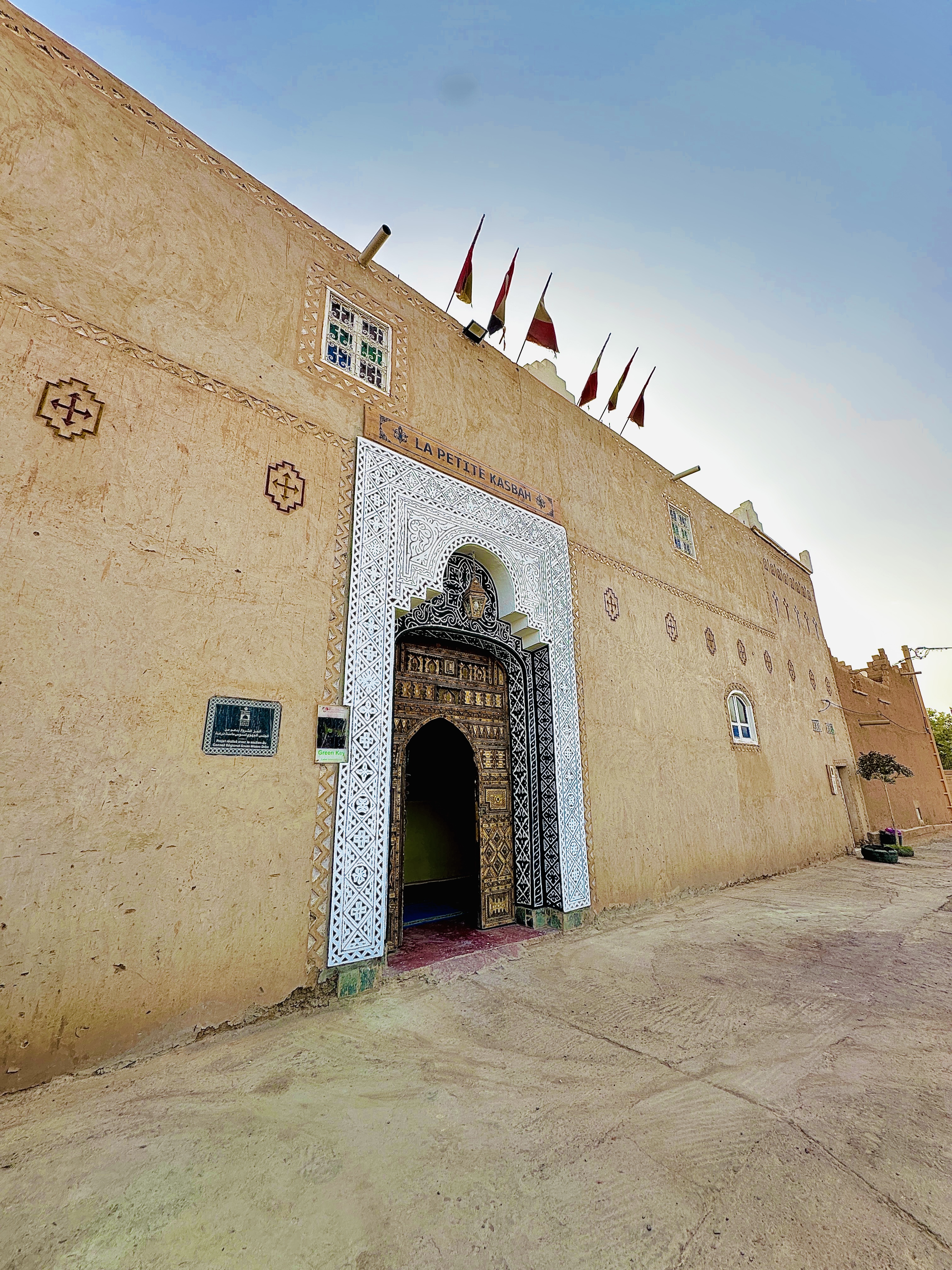
After days of desert adventures and cultural exploration, you'll appreciate returning to comfortable, welcoming accommodation. La Petite Kasbah perfectly embodies what makes Moroccan hospitality so special – it's a charming boutique hotel that balances authentic traditional atmosphere with the modern amenities travelers need.
The authentic Moroccan hospitality here isn't just a marketing phrase – it's genuine warmth that makes you feel like a welcomed guest rather than just another tourist. The staff knows the area intimately and can provide insider advice on everything from the best time to visit the weekly souk to which local guide would be perfect for your desert expedition. This personalized service transforms your stay from merely comfortable to truly memorable.
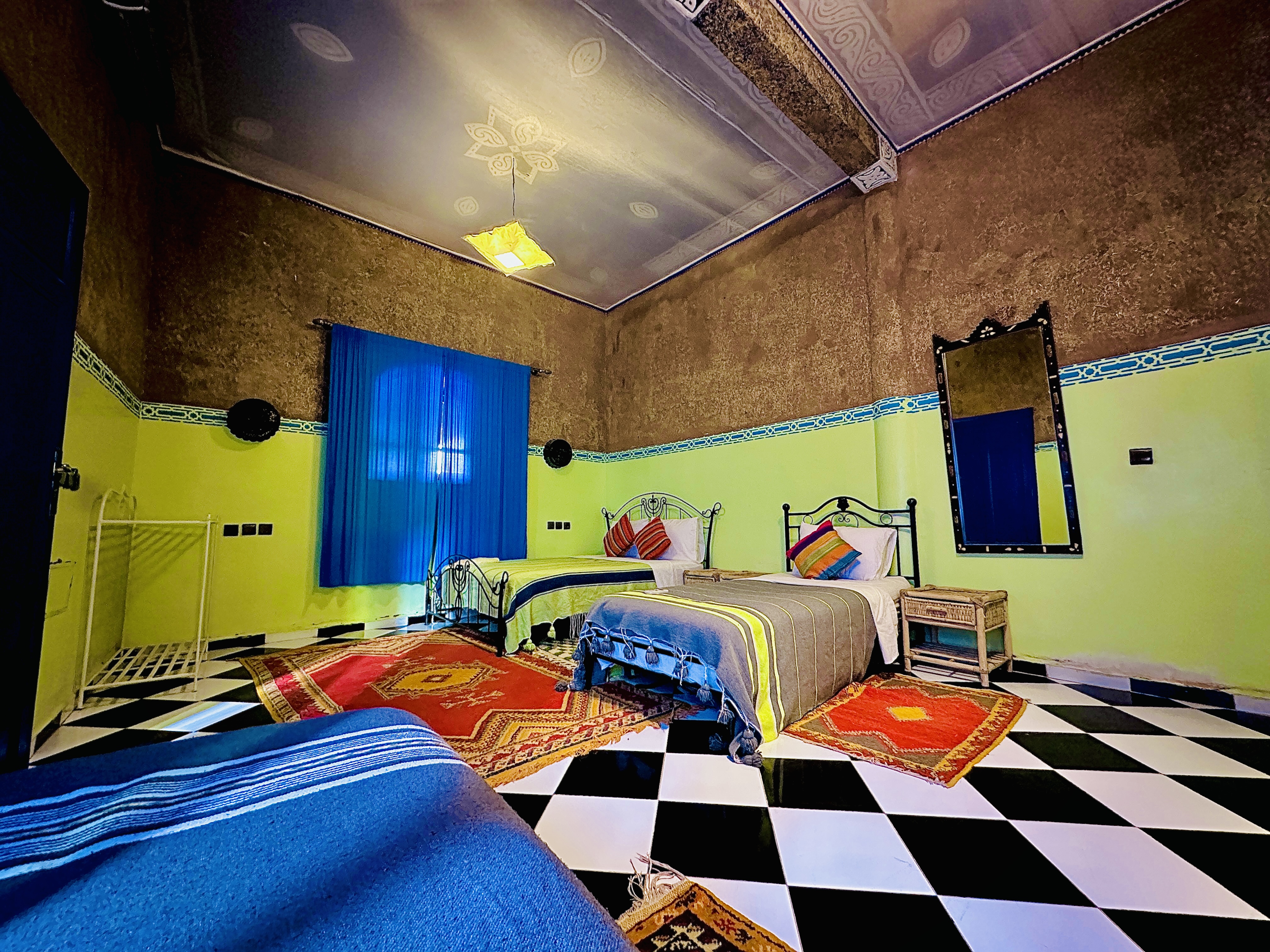
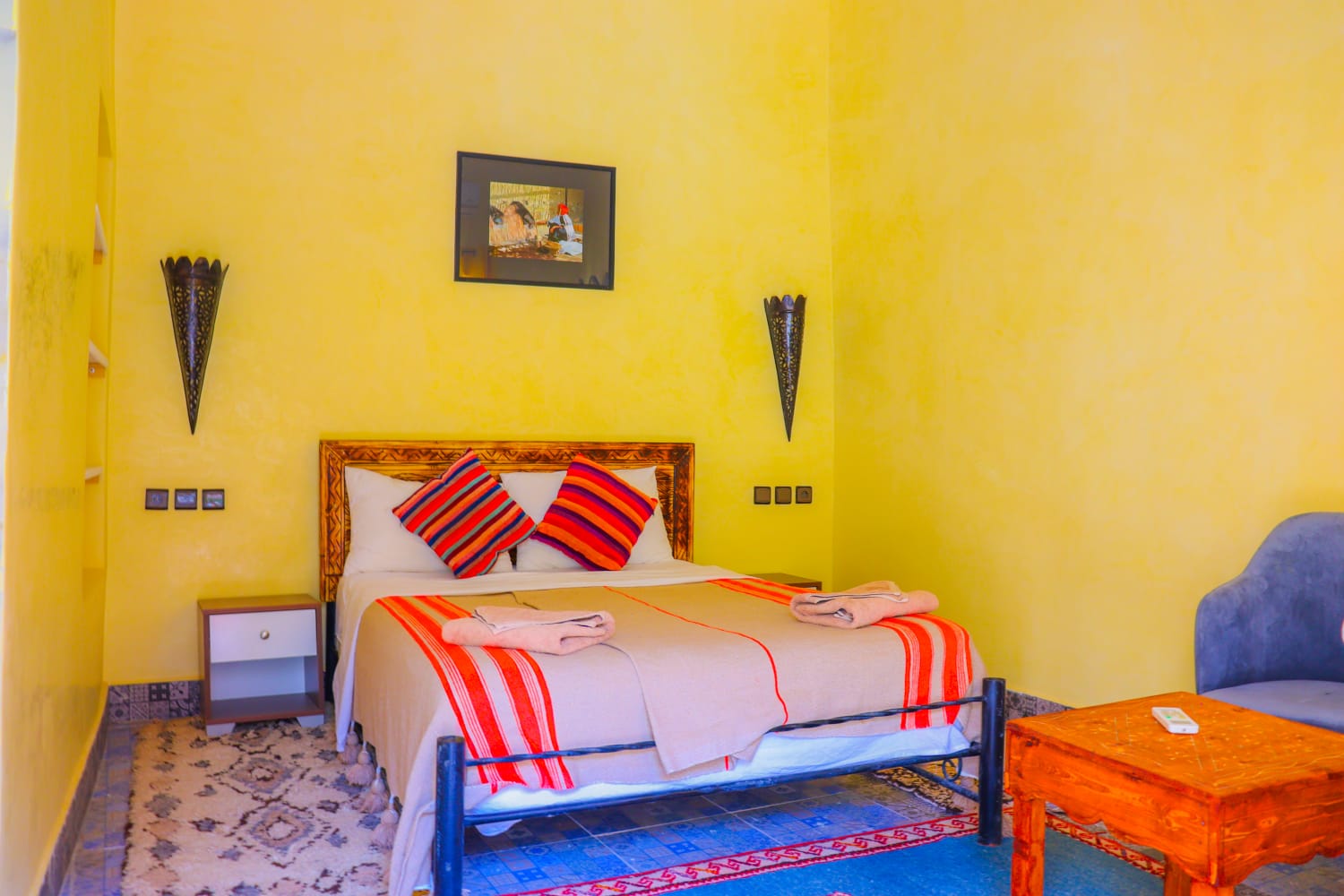
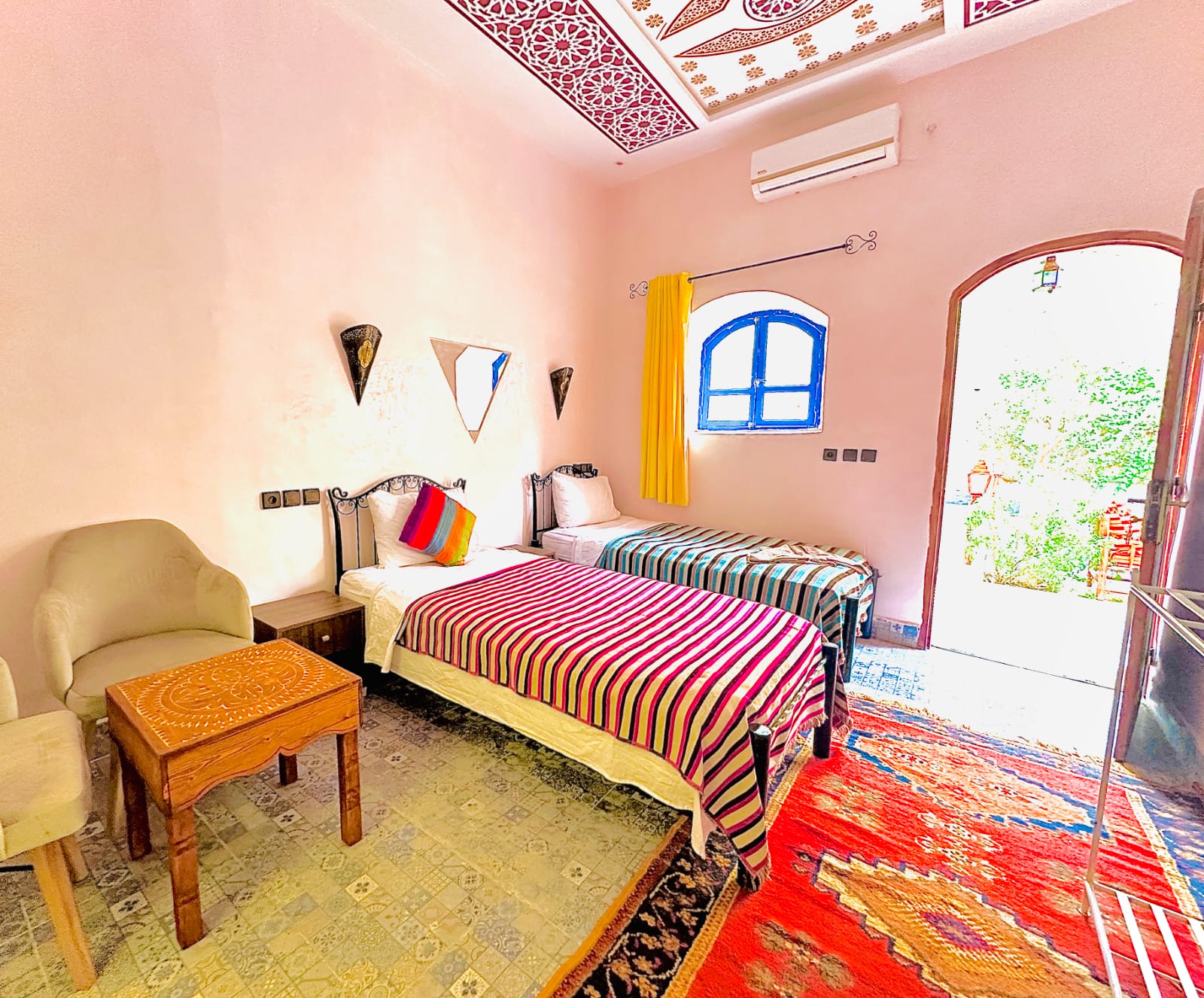
What I love about La Petite Kasbah is how it merges traditional architecture with modern comfort. The beautifully restored rooms feature local craftsmanship – you'll see hand-painted ceilings, carved wooden details, and traditional textiles that create that authentic Moroccan atmosphere. But you'll also have contemporary amenities like comfortable beds with quality linens, modern bathrooms, reliable Wi-Fi, and air conditioning (essential in summer, though Zagora's climate is pleasant most of the year). It's the best of both worlds!
The convenient location is another huge plus. Situated in a quiet neighborhood, you get peaceful atmosphere away from street noise, yet you're still within comfortable walking distance from the town center, main street attractions, and local restaurants. This location balance means you can easily explore on foot during the day and return to tranquility in the evening. For destinations further out, taxi services and ride-sharing options make getting around simple.
The rooftop terrace is honestly one of my favorite features. Climbing up to enjoy panoramic vistas of the palm groves stretching toward the desert, with mountains visible in the distance, gives you perspective on Zagora's unique geographical setting. It's the perfect spot for morning coffee, sunset drinks, or evening stargazing. This landmark venue offers views that help you understand why people have settled in this oasis for thousands of years.
The swimming pool and gardens create a refreshing oasis within the oasis! After a hot day exploring desert terrain or hiking trails, there's nothing quite like cooling off in crystal-clear water surrounded by lush gardens. The landscaping uses native plants that thrive in the desert climate, creating shaded areas where you can relax with a book or simply enjoy the tranquility. It's recreational activity at its most rejuvenating!
The home-cooked Moroccan cuisine served here showcases authentic tagines and local specialties prepared with regional ingredients – including those fresh dates from nearby plantations! Meals are often served family-style on the terrace, creating a communal, friendly atmosphere. The cooks use traditional recipes and can accommodate dietary restrictions. Tasting genuine home cooking gives you culinary insight that restaurant meals sometimes miss.
One of the biggest advantages of staying at La Petite Kasbah is their ability to arrange personalized desert excursions. Rather than dealing with multiple tour operators, the hotel works with trusted local guides who can organize camel treks, 4x4 safaris, and camping experiences tailored to your interests and fitness level. They handle all the logistics – routes, equipment, meals – so you can simply enjoy the adventure.
The hotel also facilitates cultural experiences on-site, including tea ceremonies, henna painting sessions, and cooking classes. These activities let you engage with Berber culture without even leaving your accommodation – perfect for days when you want cultural enrichment without extensive travel.
Getting to La Petite Kasbah is straightforward with easy directions and clear address information. The hotel is located near key landmarks with GPS coordinates available on their website, making it simple to direct taxi services or use ride-sharing apps. If you're driving yourself, they provide detailed route descriptions from Ouarzarzate, Marrakech, or other nearby cities.
Perhaps most importantly, La Petite Kasbah offers that peaceful atmosphere that helps you truly decompress. After visiting bustling souks, exploring tourist attractions, and engaging in various recreational activities, returning to this serene venue lets you process your experiences and recharge. The quiet neighborhood location means you'll sleep soundly (essential when you're waking early for sunrise desert tours!), and the overall ambiance encourages relaxation and reflection.
Whether you're planning an active adventure-filled trip or a more relaxed cultural immersion, La Petite Kasbah provides the perfect home base for exploring everything Zagora has to offer!
Where to Stay: More Accommodation Options in Zagora
While La Petite Kasbah is my first best recommendation, Zagora offers accommodation options to suit every budget and travel style. Understanding what's available helps you make the best choice for your needs.
Desert luxury camps represent the ultimate glamping experience. These upscale venues in remote locations offer comfortable beds, private bathrooms (often with hot showers!), and sometimes even electricity and Wi-Fi, all within the dramatic desert setting. You get the adventure and natural wilderness immersion of camping but with comforts that make the experience accessible to travelers who might not be ready for truly rustic conditions. Prices reflect the luxury level and remoteness of location.
Traditional riads and guesthouses throughout various neighborhoods provide authentic Moroccan stays at moderate prices. These family-run establishments in the city offer personal attention, home-cooked meals, and genuine insight into local life. Staying in someone's home (or former home converted to lodging) creates opportunities for cultural exchange that hotels sometimes miss. Most are within walking distance of the town center and main attractions.
Budget-friendly hostels serve backpackers and budget-conscious travelers. Located conveniently near the bus stop and town center, these offer basic but clean dormitory or private rooms at very affordable rates. The atmosphere tends to be social, with common areas where travelers share tips and sometimes arrange to split costs on desert tours. It's a practical choice if you're spending minimal time at your accommodation and maximum time exploring.
Kasbah hotels let you sleep in converted historic fortresses, many serving as local landmarks. These properties offer unique atmosphere – thick walls, traditional architecture, and the sense of history in every room. Some are quite luxurious while others are more basic, but all provide that authentic kasbah experience. The solid construction keeps rooms naturally cool, an advantage in desert climate conditions.
Eco-lodges in the palm groves appeal to environmentally conscious travelers. These sustainable accommodations in the metro area use solar power, water conservation systems, and local building materials. Surrounded by natural beauty, they offer peaceful settings while minimizing environmental impact. Most emphasize farm-to-table dining using produce from nearby plantations and their own gardens.
Camping under the stars provides the most basic but often most unforgettable desert experience. Working with local guides, you'll sleep in simple tents (or sometimes just under the open sky!) in remote areas. Facilities are minimal – think bucket showers or no showers, basic toilets, and meals cooked over fire. But the authenticity and connection to the natural environment can't be beaten, and the star-filled night sky alone makes it worthwhile.
When choosing accommodation, consider proximity to key points of interest that matter most to you. If shopping at the souk is important, stay near the market. If you're focused on desert excursions, lodging on the town's edge heading toward the dunes might make sense. If restaurants and cafes are your thing, look for places near the main street where nightlife and dining options cluster.
Most hotels and guesthouses in Zagora understand that travelers come for the desert experience, so they've developed relationships with tour operators and can help arrange transportation, guides, and activities. This convenience often makes staying in the town itself more practical than staying in remote desert camps for your entire visit – you can do overnight desert camping while basing yourself somewhere with more amenities.
Practical Travel Tips for Visiting Zagora
Smart preparation makes the difference between a good trip and a great one. Here's what you need to know to plan your Zagora adventure effectively!
Best time to visit: The ideal season runs from October through April when the climate is comfortable for outdoor activities. Daytime temperatures are warm but pleasant (15-25°C/59-77°F), and nights are cool but not freezing. Avoid summer (June-September) unless you're truly comfortable with extreme heat – temperatures regularly exceed 40°C/104°F, making desert excursions uncomfortable and potentially dangerous. The shoulder seasons (October-November and March-April) offer perfect weather with fewer tourists, though local events and festivals tend to cluster in these periods.
Getting there and around: Most visitors arrive by road. If you're driving from Marrakech, expect about 6 hours through spectacular mountain passes and valleys – the drive itself is an adventure! From Ouarzarzate, it's a more manageable 2.5 hours through the Draa Valley. Public transportation via bus operates from major cities, with several companies offering routes to Zagora. The bus service is affordable and relatively comfortable, though trips take longer than private vehicles due to stops in villages along the way.
Airport access requires some planning since Zagora itself doesn't have an airport. The nearest airport is Ouarzarzate (160km away), which receives some domestic flights from Casablanca. However, most international travelers fly into Marrakech Menara Airport, which has extensive connections from Europe and beyond. From there, you can rent a car, arrange private transfer, or take the bus. Some visitors combine Zagora with a tour itinerary that includes Ouarzarzate and other southern destinations.
What to pack requires thoughtful consideration of desert conditions. Essential items include:
- Strong sun protection (high-SPF sunscreen, lip balm, hat with brim, sunglasses)
- Layered clothing for temperature changes (hot days, cool nights, especially in winter)
- Comfortable closed-toe shoes for hiking plus sandals for relaxing
- Light scarf (serves as sun protection, dust barrier, and shows cultural respect)
- Flashlight or headlamp (lighting can be limited in desert camps and some kasbahs)
- Reusable water bottle (staying hydrated is critical!)
- Camera with extra batteries (you'll take more photos than you think!)
- Basic first aid supplies and any personal medications
Local currency and budgeting: Morocco uses the Dirham (MAD). ATM availability in the city center is limited – there are a few machines, but they sometimes run out of cash or experience technical issues. Bring sufficient cash from larger cities like Marrakech or Ouarzarzate. Credit cards are accepted at some hotels and larger businesses, but cash is essential for souks, small restaurants, taxis, and tips. Budget accordingly: meals at local restaurants are quite affordable (30-80 MAD), desert tours range widely (500-2000+ MAD depending on duration and luxury level), and accommodation spans from budget hostels (100-200 MAD) to luxury camps (1000+ MAD per night). Tipping customs suggest 10-15% at restaurants and modest tips for guides, drivers, and hotel staff who provide good service.
Language basics help tremendously. While French is widely spoken in hotels, restaurants, and tour operations, learning some Arabic and Berber phrases shows respect and opens doors. Useful phrases include:
- As-salaam alaikum (Peace be upon you – standard greeting)
- Shukran (Thank you in Arabic)
- Tanemmirt (Thank you in Tamazight)
- Afak (Please)
- Wakha (Okay/Yes)
- Smah liya (Excuse me/Sorry) Most locals appreciate any attempt to speak their languages, even if your pronunciation is imperfect!
Health and safety considerations are important but shouldn't cause excessive worry. The main concerns are:
- Staying hydrated in the desert climate – drink water constantly, more than you think you need
- Sun protection – the Saharan sun is intense, and sunburn happens quickly
- Food safety – eat at busy restaurants, stick to cooked foods and packaged water
- Travel insurance – highly recommended to cover medical emergencies and evacuation if needed
- Emergency services information – know how to reach local clinic or hospital (your hotel can provide directions)
- Respect for natural hazards – desert flash floods are rare but possible; follow guide advice
Respecting local customs ensures you're welcomed warmly throughout this conservative community:
- Dress modestly – shoulders and knees covered for both men and women; women might want to bring a light scarf for head covering at religious sites
- Photography etiquette at historical sites – always ask permission before photographing people, especially women; some kasbahs charge small fees for cameras
- Cultural sensitivity tips – avoid public displays of affection, use right hand for eating and greeting, remove shoes when entering homes
- Ramadan awareness – if visiting during the holy month, avoid eating/drinking publicly during daylight hours, expect reduced business hours
Time zone: Morocco operates on Western European Time (WET), which is GMT+0 in winter and GMT+1 in summer (though Morocco's daylight saving time schedule doesn't always align with Europe's, so check current offset before traveling).
Maps and navigation: Download offline maps before you leave areas with reliable internet, as GPS and mobile service can be limited in surrounding areas. Google Maps works reasonably well in town but becomes less reliable in remote desert locations. For desert excursions, your guide will have GPS coordinates for key destinations, but the lack of landmarks and shifting sands make independent navigation dangerous. Always hire experienced guides for off-road adventures.
Having this practical information at your fingertips means fewer surprises and more time enjoying everything Zagora offers!
Zagora's Culinary Scene and Must-Try Dishes
Food in Zagora isn't just sustenance – it's an expression of culture, a reflection of geography, and an invitation to slow down and savor. The local culinary scene offers delicious discoveries at every meal!
Traditional Berber tagines form the cornerstone of the cuisine. These slow-cooked stews feature meat (lamb, chicken, or beef), vegetables, and aromatic spices like cumin, ginger, saffron, and cinnamon, all simmered for hours in the distinctive cone-shaped earthenware pot. The result is incredibly tender meat and vegetables infused with complex flavors. Each restaurant and family has their own variation – some sweeter with dried fruits, others more savory with preserved lemons and olives. You'll find excellent tagines at local restaurants throughout the neighborhood, from simple spots frequented by workers to more upscale venues catering to tourists.
Desert pizza (Medfouna) is a local specialty you absolutely must try! Despite its nickname, it's quite different from Italian pizza. This stuffed flatbread is filled with spiced meat (usually lamb), onions, and peppers, then cooked in a traditional oven or sometimes buried in hot sand. The bread becomes crispy outside while the filling stays juicy and flavorful. Various cafes near the main street serve medfouna, and it makes a hearty, satisfying meal perfect after a morning exploring.
The fresh dates and date products available here showcase what makes Zagora famous throughout Morocco. The region's Medjool dates are exceptionally sweet and tender, quite different from the dried dates you might buy in supermarkets abroad. At the farmers market, you can sample different varieties, each with unique flavor profiles and textures. Beyond fresh dates, look for date paste, date jam, and date-filled pastries. Dates are packed with energy – perfect for fueling desert adventures – and they make excellent lightweight souvenirs.
Mint tea rituals punctuate every day in Morocco, and Zagora is no exception. This isn't just a beverage; it's a social institution! The tea ceremony involves green tea brewed with fresh mint leaves and generous sugar, poured from height to create foam, and served in small glasses. The first glass is said to be "gentle as life," the second "strong as love," and the third "bitter as death." You'll be offered tea everywhere – in shops, before and after meals, when visiting homes. Accepting is good manners and opens conversational doors. Every cafe, restaurant, and bar serves mint tea, and the ritual of drinking it together creates community bonds.
Couscous variations appear especially on Fridays, when tradition holds that families gather for communal couscous lunch. The tiny steamed semolina grains are topped with vegetables, meat (usually lamb or chicken), chickpeas, and flavorful broth. Some versions include sweet elements like raisins and caramelized onions, while others emphasize savory spices. The preparation is time-intensive (traditionally women spend hours rolling the couscous by hand), making it a labor of love that expresses hospitality and care.
Street food specialties provide authentic, affordable eating experiences. Look for vendors grilling skewers of meat (brochettes) over charcoal, aromatic harira soup (a hearty lentil and tomato-based soup particularly popular during Ramadan), and fresh-baked bread from wood-fired ovens. The bread is essential – Moroccans use it to scoop up tagines and other dishes rather than using utensils. The street food scene centers around the main street and near the souk, especially busy on market days.
Restaurant recommendations: For authentic local cuisine, try family-run spots where workers and locals eat – the presence of Moroccans is usually a good sign! These simple venues near the town center serve generous portions at very reasonable prices. For slightly more atmosphere, several restaurants cater to tourists without sacrificing authenticity, offering rooftop terraces with views, English menus, and perhaps wine (alcohol availability is limited but some licensed restaurants serve beer and wine). Don't hesitate to ask your hotel for current recommendations – favorite spots can change, and locals know which restaurants are currently at their best.
Cafe culture thrives in Zagora despite its small size. Traditional cafes serve as community gathering spots where men socialize over tea, play cards, and watch street life. While these spaces remain predominantly male, tourist-friendly cafes welcome everyone. You'll notice the nightlife here is quite subdued compared to larger cities – evenings revolve around meals, tea, and conversation rather than bars and clubs. But the social atmosphere at cafes, especially during evening hours when temperatures cool, captures authentic local life.
The cuisine reflects both the abundance of the oasis (vegetables, fruits, especially dates) and desert conditions (preserved foods, hearty stews that cook slowly over low heat). It's adapted to the climate – hot midday meals followed by afternoon rest, lighter evening eating when temperatures drop. Experiencing Zagora's culinary scene means not just tasting delicious food but understanding how geography, climate, and culture shape what and how people eat!
Getting Around Zagora and the Surrounding Region
Understanding your transportation options helps you maximize your time and reach all the destinations on your Zagora bucket list!
Walking the town center is practical and pleasant for accessing most points of interest within Zagora itself. The compact layout means shops, restaurants, key landmarks, and the main souk are all within comfortable walking distance of each other. The town is fairly flat, sidewalks exist on main streets (though they're sometimes uneven), and walking lets you notice small details – architectural elements, daily life, friendly greetings from shopkeepers – that you'd miss in a vehicle. Early morning and evening walks are especially nice when temperatures are moderate and light is beautiful.
Local taxi services provide affordable ride-sharing options for destinations just beyond walking distance or when you're tired, carrying purchases, or dealing with the midday heat. Zagora has both petit taxis (small taxis for shorter distances within the metro area) and grand taxis (larger vehicles for trips to nearby villages and longer routes). Petit taxis are metered, though drivers sometimes prefer to negotiate a fixed price – agree on the fare before departing to avoid confusion. Grand taxis typically operate on shared routes, departing when full, though you can charter one for private use. Taxis gather near the main square and major hotels, and your accommodation can always call one for you.
Rental cars offer the most flexibility for exploring the Draa Valley independently. Several agencies operate in Zagora or you can arrange rental from Ouarzarzate or Marrakech and drive to Zagora. Having your own vehicle lets you stop at kasbahs, viewpoints, and small villages whenever something catches your eye, without being constrained by tour schedules. The roads are generally good, though some routes to remote areas require 4x4 vehicles. GPS helps but isn't always reliable in remote areas, so paper maps or clear directions from locals remain valuable. Fill up fuel when you can – gas stations become sparse in the surrounding territory.
Public transportation connects Zagora to major cities through bus service. The main bus stop is located centrally, with companies like CTM and Supratours offering routes to Marrakech, Ouarzarzate, and other destinations. Buses are air-conditioned and reasonably comfortable for longer journeys. Schedules aren't always perfectly reliable, so build in buffer time. For local routes between villages in the Draa Valley, shared mini-buses and grand taxis provide affordable options, though departures depend on passenger volume rather than fixed schedules.
Guided tours with transit included simplify logistics for desert excursions and day trips. Many hotels and tour operators provide transportation to remote locations as part of package tours. This approach makes sense for destinations like Erg Chigaga that require off-road driving and navigation expertise, or for travelers who prefer not to drive on unfamiliar roads. The included transit often means 4x4 vehicles, experienced drivers who know routes and conditions, and stops at points of interest along the way.
Maps and directions require a practical approach. In town, asking locals for directions works well – people are helpful and most landmarks are well-known. GPS coordinates become essential for desert excursions and remote destinations where traditional addresses don't exist. Many tour operators will send you geolocation pins for meeting points. Download offline maps before venturing into areas without mobile coverage. For popular tourist attractions, you'll often find signs in Arabic and French (occasionally English) pointing the way.
Driving routes from Zagora to other destinations offer scenic journeys through varied terrain:
- Zagora to Ouarzarzate (160km, 2.5 hours): Well-paved road through the Draa Valley, passing kasbahs and oases
- Zagora to M'hamid (95km, 1.5 hours): Southward route deeper into desert territory
- Zagora to Marrakech (365km, 6 hours): Long but spectacular drive through the Anti-Atlas mountains
- Zagora to Tamegroute (18km, 20 minutes): Quick trip to this historic village
Distance considerations matter when planning your itinerary. Zagora's remote location means significant travel time to reach it from major cities or airports. Factor this into your schedule – you probably don't want to drive 6 hours from Marrakech and immediately head out for desert camping; build in rest time. Similarly, distances within the surrounding region can be deceptive because roads wind through mountains or across rough terrain, making actual travel time longer than simple distance suggests.
Understanding transportation options helps you structure your days efficiently. Want to visit the morning souk then head to Tamegroute? Easy to arrange. Planning a multi-day circuit including desert camping? Your tour operator handles the complex logistics. Just exploring the town on foot before a relaxed afternoon by the pool? Perfect for walking!
Local Events and Festivals Throughout the Year
Timing your visit to coincide with local events adds an extra dimension of cultural richness to your Zagora experience!
The Date Harvest Festival in October celebrates the region's most important agricultural product. The annual celebration features local events including traditional music performances, dance, and of course, abundant fresh dates in every form imaginable! The entire community participates – farmers display their harvest, vendors create special date-based dishes, and cultural performances showcase Amazigh traditions. The atmosphere is festive and welcoming, with visitors invited to join the celebrations. It's a perfect time to visit because the weather is pleasant, dates are at peak freshness, and you'll experience genuine Moroccan celebration rather than tourist-focused entertainment.
The Nomad Festival technically takes place in nearby M'hamid rather than Zagora itself, but it's such a significant event that many Zagora visitors plan around it. This multi-day gathering in spring showcases Saharan culture through music concerts, traditional competitions (camel races, horseback riding, poetry), artisan markets, and nomadic lifestyle demonstrations. Desert communities from across the region converge, creating a vibrant cultural exchange. The festival celebrates nomadic heritage while adapting to modern times – a fascinating blend of tradition and contemporary life.
Religious celebrations mark important points in the Islamic calendar. During Ramadan, the month of fasting, the entire rhythm of the town changes – shops and restaurants close during daylight hours, but evenings come alive with breaking-fast meals and social gatherings. If you visit during Ramadan, respect the fast by eating discreetly and join in evening celebrations if invited. Eid al-Fitr (celebrating the end of Ramadan) and Eid al-Adha (Festival of Sacrifice) are major celebrations when families gather, special foods are prepared, and the spirit of community and generosity fills the area. These aren't tourist events, but experiencing them offers profound insight into local values and traditions.
Weekly souks function as both commercial markets and social events where residents from surrounding villages gather. Market days (Wednesday and Sunday) become community occasions when people catch up on news, arrange marriages, resolve disputes, and simply enjoy social contact. The farmers market atmosphere goes beyond mere shopping – it's where the community's social fabric is woven and maintained.
Music concerts and cultural performances happen occasionally at venues in town or during festivals. Traditional Amazigh music featuring drums, string instruments, and call-and-response singing connects directly to centuries of desert culture. Gnawa music, originating with descendants of sub-Saharan Africans, brings different rhythms and spiritual elements. These aren't scheduled regularly enough to plan around, but ask locally when you arrive – you might get lucky!
Seasonal celebrations tied to agricultural cycles include spring planting blessings, harvest thanksgivings, and water management traditions. These aren't formalized festivals so much as community practices that, if you're fortunate enough to witness, provide windows into how deeply the culture connects to land and natural resources.
Sports events including an annual marathon and cycling races attract participants from across Morocco and beyond. The marathon typically runs in winter when temperatures are manageable, with the dramatic desert scenery providing an unforgettable backdrop for runners. These events bring energy and visitors to Zagora, filling hotels and creating a festive atmosphere.
When planning your trip, check what local events might coincide with your visit. Even if you don't specifically plan around festivals, knowing what's happening helps you understand any changes in schedules, availability, or atmosphere you might encounter!
Conclusion
Zagora is so much more than just a gateway to the Sahara – it's a destination that captures the raw beauty, ancient history, and soulful culture of Morocco's desert regions! From the moment you arrive in this enchanting community in the Draa Valley and see that iconic "Timbuktu 52 days" sign near the town center, you'll feel the pull of adventure and discovery. Whether you're camping under a billion stars, exploring centuries-old kasbahs that stand as landmarks of history, sipping mint tea with Berber families in their homes, riding camels into the endless dunes, or relaxing at a traditional riad like La Petite Kasbah, every experience in Zagora connects you to something timeless and authentic.
The best part? Zagora remains relatively undiscovered compared to other tourist attractions in Morocco, which means you'll enjoy genuine interactions with locals and unspoiled natural landscapes that feel worlds away from the typical travel route. The climate is perfect for exploration during cooler months, the surrounding territory offers endless recreational activities from hiking trails to biking adventures, and the proximity to both desert wilderness and lush palm groves creates a unique geographical setting you won't find anywhere else. Sure, the journey here takes effort – whether you're driving from Marrakech or taking public transportation from nearby cities – but that's exactly what makes it special. The Sahara rewards those who venture beyond the ordinary!
So what are you waiting for? Start planning your 2026 Zagora adventure today! Book your stay at a welcoming venue like La Petite Kasbah, pack your sense of wonder, and prepare for an experience that'll redefine what you thought you knew about Morocco. With easy directions to all the area's points of interest, friendly locals eager to share their community with visitors, and everything from farmers markets to desert expeditions within reach, Zagora is calling your name! Trust me – the desert is calling, and this hidden gem in southern Morocco is the perfect place to answer! Have you already visited Zagora or are you planning a trip? I'd love to hear about your desert dreams and travel plans in the comments below!